The Role of Luck in Gambling
Luck is often perceived as a significant factor in the world of gambling, particularly in casinos where games of chance dominate the landscape. Players frequently attribute their wins or losses to luck, suggesting that fortune can sway the outcome of a game. The presence of randomness in games like roulette or slots implies that no amount of skill can alter the probability of hitting a jackpot or losing a bet, making luck a central component of gambling experiences. For those seeking immediate rewards, options like ontario casino fast withdrawal can enhance the excitement, as players become entirely reliant on chance, which can create a thrilling yet unpredictable atmosphere.
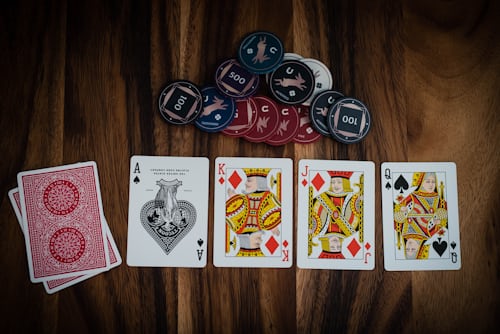
However, it’s essential to differentiate between skill-based games and purely luck-based games. In poker, for instance, players employ strategies that can determine the outcome, even though luck plays a role in the cards dealt. This duality means that while luck can lead to success in the short term, player skill and decision-making can significantly influence results over time. Understanding this balance is crucial for anyone looking to be successful in a casino setting, as it suggests that while luck can be a powerful player, it is not the only factor at play in determining success.
Moreover, psychological factors come into play when discussing luck. Players tend to develop a belief in ‘lucky streaks,’ which can change their behavior and betting patterns. This mindset can lead to increased betting during perceived good fortune, potentially magnifying gains or losses. Thus, while luck is undeniably a factor, the player’s perception and reaction to it can significantly impact their overall gambling success. Acknowledging these psychological influences can help players navigate the unpredictable nature of luck and its role in their gaming experiences.
The Psychology Behind Gambling
The psychology of gambling is a fascinating area that reveals how the human mind interacts with luck and chance. Many players exhibit cognitive biases, such as the illusion of control, where they believe they can influence the outcome through their choices or behaviors. This belief can lead to risky bets or superstitious rituals, as players try to harness their perceived luck. For example, some may wear specific clothing or follow certain routines, convinced that these actions will enhance their luck at the tables.
Additionally, the environment of a casino is designed to invoke certain psychological responses. Bright lights, sounds of winning, and the overall atmosphere create an emotional state that can affect decision-making. Players often find themselves swept up in excitement, which may cloud their judgment and lead to impulsive actions that are not grounded in a sound strategy. This emotional influence can be a double-edged sword, creating the illusion of luck while also leading to poor choices. Understanding this interplay between environment and psychology can help players make more rational decisions.
The concept of ‘near misses’ is another psychological aspect that influences gambling behavior. When players come close to winning, they often feel motivated to continue gambling, believing that luck is just around the corner. This can create a cycle of chasing losses or trying to capitalize on perceived lucky moments. Research shows that near misses can trigger a release of dopamine, reinforcing the desire to keep playing. By understanding these psychological factors, gamblers can better navigate the influence of luck on their success and avoid the pitfalls of cognitive biases that may lead to detrimental habits.
The Impact of Casino Games on Luck
Different casino games have varying levels of dependence on luck. Slot machines, for example, are purely based on random number generation, meaning that luck is the sole determinant of success. The odds are set by the house, and players have no control over the spin results. This makes slots a quintessential example of luck-driven gaming, where players must rely entirely on chance to win. As a result, these games can be both enticing and frustrating, as the outcomes are entirely unpredictable.
Conversely, games like blackjack and craps introduce elements of strategy, where players can influence the outcome through their decisions. In blackjack, for instance, knowing when to hit or stand can affect the odds of winning, showcasing that skill can sometimes mitigate the randomness associated with luck. Still, even in these games, luck plays an essential role, as players inevitably rely on the cards dealt. The blend of skill and chance creates a complex gaming experience, where luck remains a vital factor while also allowing room for player agency.
This dynamic can lead to varying perceptions of success among players. Those who favor luck-based games may feel they have less control and often experience greater volatility in their winnings. In contrast, skill-based game enthusiasts may find a sense of agency, believing that their understanding of the game can lead to long-term success. Each approach to gambling illuminates different facets of how luck influences outcomes, shaping the overall experience within the casino environment. Recognizing these distinctions can help players choose games that align with their preferences and strategies.
Strategies for Managing Luck in Gambling
Understanding the role of luck in gambling is crucial for developing effective strategies. One approach is to set predefined limits for both time and money before entering a casino, which can help manage the impulsive behaviors driven by the excitement of perceived luck. By establishing these boundaries, players can maintain a more balanced perspective on their gambling activities, reducing the emotional impact of winning or losing streaks. This proactive approach encourages responsible gambling and helps mitigate the risks associated with chasing losses.
Another essential strategy involves recognizing and accepting the role of luck without allowing it to dictate decisions. Players should develop a mindset focused on enjoyment rather than solely winning, which allows them to appreciate the gaming experience while minimizing the psychological pressure that can come from chasing luck. This perspective can transform gambling from a pursuit of fortune to a recreational activity, fostering healthier habits. By prioritizing enjoyment over monetary gain, players can engage more thoughtfully with their gambling activities.
Finally, educating oneself about different games and their odds can empower players to make informed choices. By understanding which games offer better chances of success and which are largely based on luck, gamblers can tailor their strategies accordingly. For example, learning basic blackjack strategy or understanding the house edge in various games can help players make better decisions. Balancing skill, strategy, and the acceptance of luck as a factor can lead to a more satisfying casino experience, encouraging players to play responsibly while still having fun.
Exploring More on the Subject
If you’re interested in diving deeper into discussions surrounding luck, gambling strategies, and the psychological aspects of gaming, there are numerous resources available. Online platforms offer insights into various games, expert opinions on maximizing success, and personal narratives from seasoned gamblers. These resources can provide valuable perspectives for both novice and experienced players, enriching their understanding of the complex relationship between luck and skill in gambling.
Additionally, many forums and communities focus on gambling discussions, allowing players to share their experiences and strategies. Engaging with these communities can foster a supportive environment where individuals can learn from each other and gain new insights into the complex interplay between luck and skill in gambling. This sharing of knowledge can enhance one’s gaming techniques and overall experience, ultimately leading to more informed and enjoyable gambling sessions.
Ultimately, understanding the nuances of luck, psychology, and game strategies can significantly influence your success at the casino. By fostering a deeper awareness of these elements, players can approach their gaming experiences with greater confidence and enjoyment, striking a balance between luck, skill, and responsible gambling practices. Emphasizing education and community engagement can further enhance this journey, making it a more rewarding experience overall.