

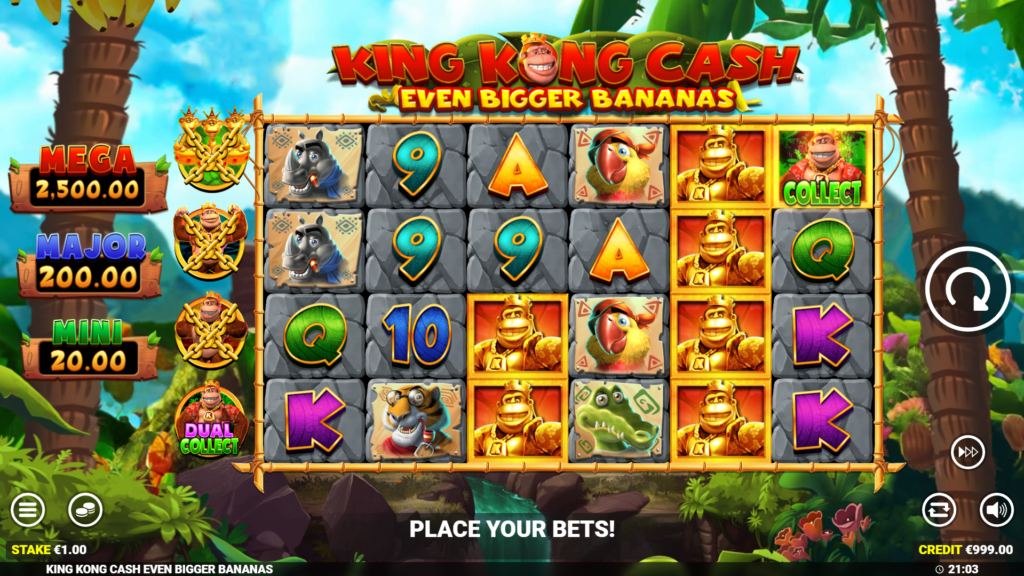
Electronic amusement keeps appearing into public spaces https://kingkongcash.eu.com/. A noteworthy example has emerged in some UK medical facilities: the King Kong Cash online slot appearing on waiting room screens. This isn’t just about a game. It combines patient distraction with modern digital habits and some pressing ethical questions. Let’s examine this situation. We’ll look at its practical role, the game’s features that might fit a waiting room, and the wider debate about appropriate content in healthcare. Our aim is a straightforward look at how a slot game ended up this unlikely job.
King Kong Cash Slot Game: An Overview
Initially, what is King Kong Cash? It is a popular online video slot centered around the legendary giant ape. Its design is cartoonish and bright. It shows King Kong atop a skyscraper, with symbols such as planes, gorillas, and golden chests. The slot mechanics mirror a standard slot format: rotate reels to pair symbols, with bonus features triggered by particular combinations. Its vibe is more adventurous than aggressive. It embraces exploring the jungle and playful treasure seeking, avoiding dark or heavy themes. This fairly approachable design might be a key reason for its use in public spaces.
Main Visual and Sound Components
The imagery are high-quality and cartoon-styled, skipping realistic imagery that could disturb viewers. Shades of green, gold, and blue define the color scheme, which can be calming to the eye. The original game includes upbeat music and audio effects, but in a waiting room the audio would be off. This results in merely the muted visual spectacle: rotating reels, tumbling wins, and lively bonus games. In silence, the game shifts. It turns into a series of abstract, colorful animations for a passive observer, altering its core essence.
Gameplay Loop and „Nudge” Features
A core mechanic of King Kong Cash is the „Nudge” feature. The ape himself can nudge reels to create winning combos. This adds personality-infused gameplay and a feeling of expectation, even for a passive viewer. The „Chest Bonus” round, where participants choose chests, offers an element of simple, choice-based engagement. For an observer, these features interrupt the repetition of regular spins. They create mini-events within the loop that can be curiously engaging to observe. It resembles watching someone else play a casual video game.
Alternative Entertainment Solutions
Numerous solutions deliver distraction lacking the ethical baggage. Numerous hospitals now use digital signage systems that stream relaxing nature scenes, aquariums, or slow artistic animations. Interactive touch-screen tables can offer educational health info, simple puzzles, or digital art programs. Curated, ad-free TV channels with documentaries about nature, science, or history work well too. The goal is to pick content that is truly calming, works for everyone, and has no link to industries known to cause public health harm.
Budget-Friendly, High-Impact Options
Improved solutions don’t need a big budget. Streaming services have huge libraries of suitable nature and travel content. Digital photo frames can cycle through local landscapes or peaceful art. Simple fish tanks, real or high-definition virtual ones, offer proven therapeutic benefits. Even providing strong free Wi-Fi helps. It lets patients use their own devices for entertainment, putting choice and control back in their hands. They can pick distractions that suit their personal needs without the institution making the choice for them.
Potential Benefits as Perceived by Facilities

A hectic hospital administrator might see clear benefits. The content is free in its demo form. It offers constant motion and color without requiring sound. It features a globally recognized character that could give a piece of nostalgic comfort. The game’s structure has predictable peaks of excitement during bonus rounds, which may work as short-term distractions. Some could claim the straightforward, goal-oriented action of matching symbols gives a stressed mind a light cognitive task to follow passively. It could be a greater engaging focus point than a rolling news ticker.
The Distraction Factor Examined
Vibrant visuals grab attention more effectively than static ones. The blinking lights, turning reels, and win animations are crafted by experts to be engaging. Even in a noiseless waiting room format, these sensory hooks yet work. For a handful of minutes, a patient could track the reels, wait for Kong’s nudge, or watch the chest bonus unfold. This total, temporary absorption is the primary benefit any waiting room media seeks. In that specific sense, the content „functions.”
Looking Ahead: Recommendations for Medical Areas
A few measures are advisable. Healthcare institutions should promptly audit what’s on all their public screens and eliminate any content with gambling references or other harmful connections. Next, they should develop and apply a formal digital signage guideline like the one described. Soliciting feedback from patient groups on potential content is a wise move. Investment should go toward evidence-based, therapeutic substitutes like nature content or interactive educational exhibits. The goal is to design waiting zones that do more than occupy. They should actively contribute to patient well-being and comfort, making every aspect match the institution’s core purpose of care.
Understanding the Reception Area Environment
Clinic and clinic waiting areas are spots of anxiety, tedium, and waiting. Time stretches out, often rendering strain and unease feel worse. You usually encounter old magazines, quiet TVs airing news, and maybe a toy corner for kids. The main objective of any entertainment here is distraction. It needs to be a harmless, engaging activity that pulls a patient’s mind away from their concerns, even for a moment. Value isn’t about deep content. It’s about offering a mild, engrossing break. This context is key for evaluating anything that is displayed on these screens, King Kong Cash included.
The Requirement for Unbiased Distraction
The perfect waiting room distraction suits everyone. It needs no directions or prior knowledge. It should be visually interesting enough to attract attention, but not so complex it causes annoyance. The material must also remain inoffensive, steering clear of overly exciting or troubling topics. This presents facility managers with a tough job. They must locate content that engages but is passive, intriguing yet calm. In some area in this restricted space of fitness, looped game footage appears to have been considered. That’s how titles like King Kong Cash likely made it onto the monitors.
Limitations of Conventional Media
Magazines expire. Linear TV gives the viewer no option or control. A looping, colorful game sequence presents something different: a constant, predictable, and visually engaging show. It functions without sound, which is crucial in a quiet room. The cyclical cycle of slot gameplay, with its spins and bonus feature triggers, forms a complete little story. Anyone can start watching at any point. This perceived utility might account for why such content gets selected over more traditional, passive media.
Patient and Visitor Reception
People typically react with shock and unease to seeing a slot game in a hospital waiting room. Some might dismiss it as a minor oversight. Many find it disconcerting and inappropriate. For people or families affected by gambling-related harm, the experience can be actively upsetting. It can feel like a breach of the care environment. This reaction shows a clear gap between the content curators and the varied values and experiences of the public they serve. It proves healthcare facilities need clear, sensitive, and ethically checked media policies.
The Bigger Picture: Digital Content Policies
This particular case exposes a wider, systemic problem. Many public institutions do not have formal digital content policies. What is displayed on screens in waiting rooms and lobbies is often decided ad-hoc by staff who lack expertise. Creating a clear policy framework is essential. Such a policy should mandate that all public-facing content gets checked for appropriateness. Factors should cover associated industries, potential triggers, universal accessibility, and compatibility with the institution’s health-focused mission. This makes content curation a thoughtful part of patient care, not an afterthought.
Elements of a Responsible Media Policy
A responsible policy would ban content connected to industries like gambling, alcohol, or tobacco. It would choose material that is calming, educational, or aesthetically neutral. The policy should also create a review process. This could include communications staff, patient advocates, or ethics committee input for public areas. Regular audits of screen content are essential. Training for facilities staff is important just as much. They need to grasp why these choices are important, moving beyond a list of rules to a shared goal of building a supportive environment.
Substantial Ethical and Social Worries
Using a gambling-themed game in a healthcare setting presents deep ethical problems. Hospitals are facilities of care and trust. The content they present, even passively, carries a hint of approval. Gambling is a major public health problem, connected to addiction, financial loss, and mental health crises. Featuring a slot game, even silently, normalizes gambling imagery and mechanics for a captive viewership. That audience may contain vulnerable persons, those under financial strain from medical bills, or people with existing addiction issues. It blurs the line between harmless fun and endorsing a potentially harmful activity.
Fragility of the Patients
Patients in a hospital waiting room are inherently exposed. They or a loved one are ill, which often brings anxiety, fear, and high tension. Research shows decision-making can deteriorate under these conditions. Susceptibility to subliminal messaging or normalization can rise. Subjecting people in this state to the reward cycles of a gambling game, however vague, is ethically questionable. It uses a need for distraction without enough consideration for the long-term associations or triggers it might trigger. This is especially relevant for those recovering from gambling disorders.
The Event: The Reasons and Methods It Appears
The actual technique is probably uncomplicated. An employee or a contracted media service may run the program on a machine connected to the reception area display, utilizing a web browser or a demo app. The reasoning is more intricate. The choice likely comes from a well-meaning, if mistaken, search for complimentary, continuously repeating, visually engaging material. The accountable party may view it as innocuous animated cartoon with a recognizable figure, overlooking the fundamental gaming systems. It highlights a deficiency in technological proficiency and formal content policies within government facilities.